
Tree Trimming and the Internet Archive: Two Very Different Ways to Preserve the Past
At first glance, tree trimming and the Internet Archive have almost nothing in common. One involves branches, pruning tools, and outdoor work, while the other preserves websites, books, software, and other digital material. But both are connected by the same basic idea: preserving something valuable before neglect causes it to disappear. For homeowners considering tree trimming in Belleville (https://treeservicesbelleville.com/tree-trimming-belleville-il/), that comparison offers a useful way to think about mature trees—not simply as landscaping, but as living pieces of a property’s history.
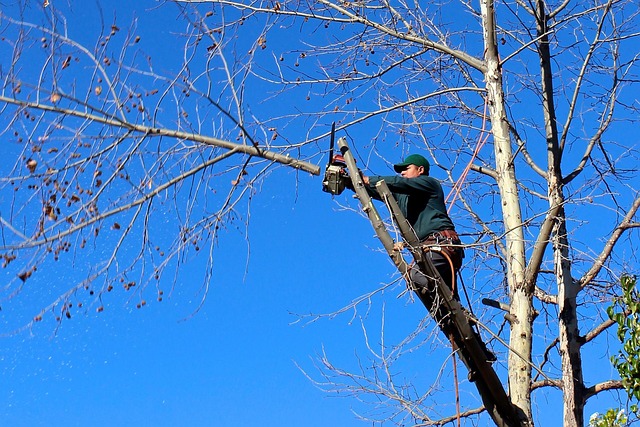
Preservation Does Not Mean Leaving Everything Untouched
When people hear the word “preservation,” they sometimes imagine keeping something exactly as it is forever.
That is rarely how preservation actually works.
Digital archives require organization, maintenance, storage, and decisions about how material should be preserved and accessed.
Trees also require active care.
Leaving every branch untouched does not necessarily protect a tree. Dead, damaged, rubbing, or poorly positioned branches can create problems over time.
Proper trimming removes selected growth while protecting the overall structure of the tree.
In that sense, preservation sometimes involves carefully removing what is no longer helping the whole.
Mature Trees Can Be Part of Local History
A large mature tree may have been standing on a property long before the current homeowner arrived.
Some trees grow alongside homes for decades.
They may have shaded several generations of families, survived major storms, or become recognizable features of a neighborhood.
While most backyard trees are not historic landmarks, they can still carry personal and local significance.
Removing a mature tree changes a property immediately.
That is why good tree care often focuses first on whether a healthy or manageable tree can be preserved safely.
Just as an old webpage can provide a snapshot of a particular time, an old tree can provide a living connection to the history of a landscape.
Trimming Can Extend the Useful Life of a Tree
One goal of proper pruning is to improve structure.
Trees naturally develop branches that may cross, compete, break, or become overloaded.
Removing certain branches can reduce unnecessary weight and improve how the canopy develops.
Deadwood can also be removed before it falls.
This does not guarantee that a tree will remain healthy forever, but thoughtful trimming can support long-term management.
The key word is thoughtful.
Removing too much canopy at once can stress a tree. Poor cuts can also create unnecessary wounds or encourage weak regrowth.
Preservation depends on knowing what to remove and what to leave alone.
Digital Archives and Trees Both Need Regular Attention
Preservation is rarely a one-time project.
A digital archive must continue maintaining stored material as technology changes.
Tree care works the same way.
A tree that was inspected several years ago may develop new problems after storms, drought, construction, or natural growth.
Branches become heavier.
Limbs may begin rubbing.
Dead sections can appear.
That is why homeowners benefit from looking at mature trees periodically rather than assuming one pruning job solves every future problem.
Regular observation gives you a better chance of catching changes while they are still manageable.
Removing Damage Can Protect the Rest
Archiving often involves protecting useful material from corruption, loss, or deterioration.
Tree trimming can serve a similar protective function.
A broken branch hanging in the canopy may eventually fall.
A cracked limb may become less stable as it grows heavier.
Branches rubbing against each other can damage bark and create weak areas.
Removing damaged material can reduce risk and help preserve the stronger parts of the tree.
The objective is not to make the tree look artificially perfect.
It is to maintain a safer, healthier structure.
Not Every Old Tree Should Automatically Be Saved
Preservation also requires judgment.
Not everything can or should be preserved forever.
A severely decayed or structurally unstable tree may eventually become unsafe to retain, particularly if it is close to a house, driveway, sidewalk, or frequently used area.
The same principle applies to branches.
Sometimes trimming is enough.
Sometimes more extensive work is necessary.
And in certain cases, removal may be the safest option.
A professional assessment can help distinguish between a mature tree that needs maintenance and one whose condition has deteriorated too far.
Avoid the “Delete Everything” Approach
There is another useful lesson from digital preservation: deleting everything is easy, but once something is gone, getting it back may be impossible.
Tree care deserves the same caution.
Removing a large mature tree may solve an immediate maintenance problem, but replacing its shade, size, and visual impact can take decades.
That does not mean removal is always wrong.
It simply means the decision should be deliberate.
If selective pruning can address the problem while preserving the tree safely, that may be worth considering before choosing complete removal.
Tree Trimming Is Part of Long-Term Landscape Management
Homeowners often think about pruning only when branches become overgrown or start touching a roof.
But tree trimming can be part of a broader preservation strategy.
Managing branch structure, removing deadwood, maintaining clearance, and monitoring mature trees can help protect both the landscape and surrounding property.
The best trimming plan depends on the species, age, condition, location, and goals for the tree.
There is no universal amount that should be removed from every tree.
Preserving What Matters
The Internet Archive and tree trimming operate in completely different worlds, but they share a surprisingly similar philosophy.
Both recognize that valuable things can disappear when nobody maintains them.
Preserving something does not always mean freezing it in place. Sometimes it means removing damaged parts, monitoring changes, and making careful decisions that support long-term survival.
For Belleville homeowners, mature trees can be more than background scenery. They may be decades-old parts of the property that deserve thoughtful management.
With appropriate trimming and regular attention, many trees can continue providing shade, character, and beauty long into the future—preserving a small piece of the past while keeping it healthy for what comes next.